


Phases of the Moon
4.05.25K Reviews
App Specs
- Version
- 7.12.0
- Updated On
- License
- Free
- Downloads
- 10,000,000+
- Developer
- M2Catalyst, LLC.
- Categories
- Weather
- Platform
- Android
Screenshots
 Analysis by AppCompare
I usually reach for a moon-phase app when a simple question comes up: will the Moon look striking tonight, and when should I make time to see it? Phases of the Moon is built around that curiosity rather than around general forecasts. It gives lunar watching its own place on a phone, which is handy when I want to follow the cycle, set an alert, or check a date without digging through a broader weather app.
That focus is also the main decision to make before installing it. If your priority is rain, temperature, or a detailed sky forecast, a dedicated weather service is still the better first stop. If you want an accessible lunar calendar and reminders alongside moon-related information, this app has a clearer purpose. It is free, open to an Everyone audience, and made by M2Catalyst, LLC. Its 4.0 average from around 100,000 ratings and more than 10 million installs suggest that it has found a large audience, though popularity alone cannot tell you whether its particular approach suits your habits.
The Cosmic Journey Begins
When I first stumbled upon the Phases of the Moon app, I was immediately drawn in by its sleek and user-friendly interface. Designed for both Android and iOS, this app beautifully marries functionality with aesthetics. It’s like having a personal astronomer in your pocket, and trust me, it’s as cool as it sounds.
Exploring the Features
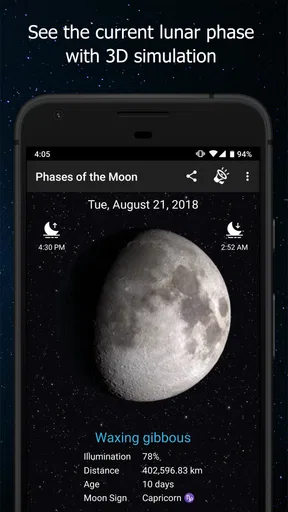
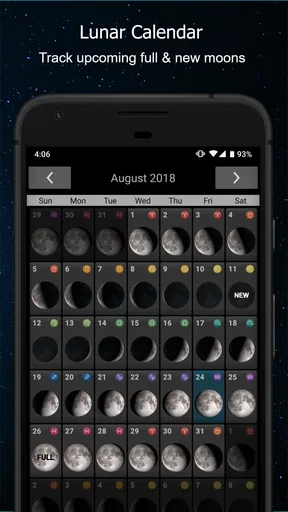
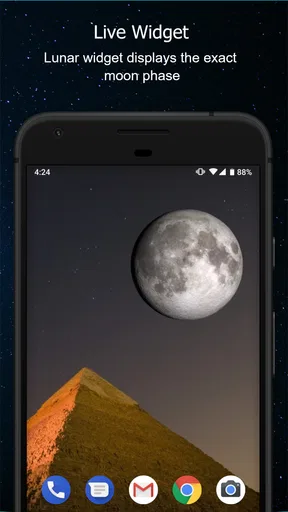
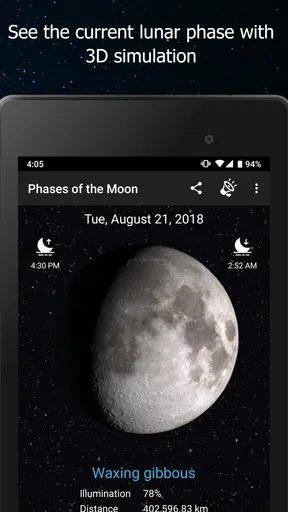
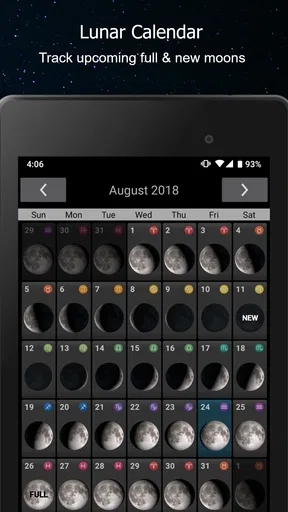
Let’s talk features because this app is loaded with them. First off, it provides a real-time view of the current moon phase. Whether it’s a waxing gibbous or a waning crescent, you’ll know exactly what’s happening up there. The app also offers a detailed calendar view, allowing you to plan your stargazing sessions around the lunar cycle. Perfect for those moonlit hikes or romantic nights under the stars!
One feature that really stood out to me was the moon phase notifications. Yes, you heard that right! You can set alerts for specific phases, ensuring you never miss a full moon again. As someone who loves capturing the moon on camera, this feature is a game-changer.
Astronomy 101
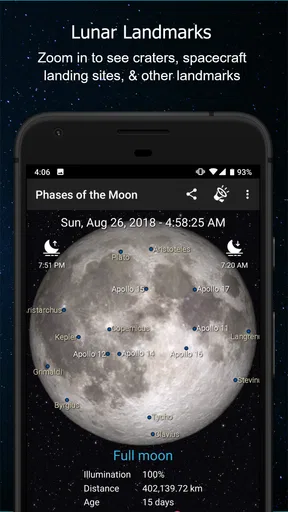
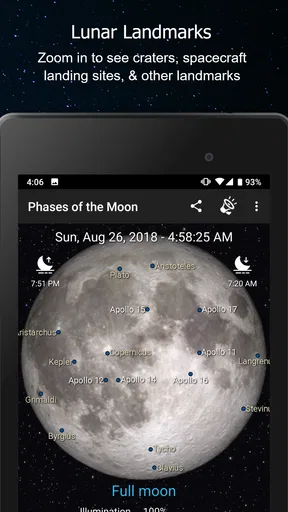
For those eager to learn more about our lunar companion, the app doesn’t disappoint. It includes detailed descriptions and fascinating facts about each phase. You can really geek out on the science behind the moon’s cycle. Plus, the app includes stunning high-resolution images of the moon, making the learning experience both engaging and visually appealing.
Sky-Watching Made Easy
If you’re worried about complex navigation or a steep learning curve, fear not. The app is designed with simplicity in mind. It’s intuitive and easy to navigate, which means you can focus on what really matters—enjoying the beauty of the night sky. The interface is clutter-free, and the graphics are simply gorgeous. It’s almost like the app designers read our minds and knew exactly what we wanted.
Worth Reading Before You Choose

Flipboard Shows What News Apps Must Do Beyond the Feed

Switching to Android Auto Means Rethinking Your Driving Routine

Google Calendar Makes a Crowded Week Easier to Manage

Ludo King Makes the Most of the Minutes Between Plans

Baby Panda World Brings Quick Play to Modern Phones, but Its Game Library Feels Busy

ESPN’s Live Game View Makes Following Close Games Easier
Why You’ll Love It
There are so many reasons to love this app, but if I had to highlight one, it’s the way it brings the wonders of the universe right to your fingertips. Whether you’re a seasoned astronomer or a curious newbie, this app offers something for everyone. It’s educational, fun, and a little bit magical.
From a Date Check to a Night Outside
The app becomes most useful when I treat it as the start of a small plan, not as a guarantee of perfect observing conditions. Say I’m considering an evening walk with a camera. I check the lunar view, use the calendar to compare nearby dates, and choose a night that fits the kind of Moon I want to photograph. An alert can then act as a reminder to revisit the plan. Before heading out, I still check local weather separately and think about cloud cover, the route, and whether I can safely stop to take pictures. The lunar phase helps answer one question; it cannot settle all the practical ones.
That division of labor is worth keeping in mind. A general weather app is usually better for deciding whether an outdoor plan is sensible, while a moon-phase tool is more direct for tracking lunar dates and events. If you already use a weather service, there is no need to replace it: I would keep that for conditions and use this one as a dedicated reference. The handoff is simple—look here for the Moon’s cycle, then use a forecast and your own local knowledge to decide whether to go.
Useful Habits for Planning
For photography, I would use notifications as prompts rather than as a complete shooting schedule. A phase alert can help me remember to prepare, but the composition I want may depend on the location and the time I can actually be there. Checking the calendar a few days ahead gives me room to compare options instead of assuming the next alert is automatically the best night. This is especially useful if I am coordinating with someone else or choosing between a short trip after work and a longer outing on a free evening.
The same approach works for a casual family activity. I might check the phase before promising children an evening outdoors, then choose a time that does not make the outing unnecessarily late. The app can make the Moon a conversation starter: I can look up the phase together and explain that its changing appearance follows a repeating cycle. For a more serious astronomy session, though, I would pair it with tools that show observing conditions or help locate other objects. A phase calendar is a useful starting point, not a substitute for a full observing setup.
There is also a small but helpful distinction between knowing the phase and seeing the Moon well. A calendar entry can tell me what part of the cycle is underway, but visibility from a particular spot depends on local conditions and timing. I avoid interpreting a notification as a promise that the Moon will be visible at the moment I receive it. Instead, I use the reminder to check the date, then make a separate plan for when and where to look.
Who Gets the Most from It
I would recommend this app to people who enjoy noticing the lunar cycle but do not want to learn a complicated astronomy interface just to answer basic questions. It also makes sense for photographers who want phase reminders, parents looking for an easy sky-watching activity, and anyone who likes keeping a lunar calendar close at hand. The current version is 7.10.2, and the app’s long-running presence—released on November 13, 2012—makes it a familiar, established option in this narrow corner of weather and sky tools. It supports devices running Android 7.0 or later.
On the other hand, I would skip it if I wanted one app to handle every part of an outdoor decision. People who mainly need hourly rain chances, cloud forecasts, or detailed astronomical positioning should start with services built around those jobs. The same goes for anyone who rarely thinks about the Moon: a dedicated app may add little if a quick search in an existing weather or calendar app already answers the occasional question. Its strength is focus, and that focus naturally means it is not the all-in-one choice.
What to Expect in Everyday Use
A practical question is whether the app can help me plan ahead rather than merely tell me what is happening now. Its calendar and phase alerts make that kind of forward-looking use part of the experience. I can check upcoming lunar dates, set a reminder around a phase that matters to me, and then decide what else I need before going outside. For the best result, I would keep alerts selective; reminders are useful when they mark an event I care about, but too many notifications can become background noise.
Another question is whether it is suitable for someone who is new to astronomy. I think so, because its central subject is easy to approach: look at the current phase, browse the cycle, and read about what the different appearances mean. That can build curiosity without demanding specialist knowledge. More experienced observers may still appreciate the quick reference, but they are likely to want additional tools when precision, visibility, or equipment planning matters. I see it as a friendly companion rather than a complete observatory in miniature.
People also often wonder whether a moon-focused app can replace checking the weather before an outing. I would not use it that way. It helps me choose a lunar date, but a clear view depends on conditions beyond the phase itself. My routine is to check the lunar calendar first, then consult a weather forecast closer to the time and keep a backup plan if the sky or schedule changes. That extra handoff is a minor bit of friction, but it prevents an attractive calendar date from becoming an unrealistic promise.
Final Thoughts
All in all, the Phases of the Moon app is a stellar addition to any phone. It’s perfect for stargazers, photographers, and anyone with a fascination for the cosmos. So why not give it a try? You might just find yourself looking up at the night sky a little more often.
Ready to embark on your own lunar adventure? Don’t wait any longer. Download the app now and let the stars be your guide!
Pros
- User-friendly interface for easy navigation.
- Accurate moon phase data and updates.
- Customizable notifications for moon events.
- Includes detailed lunar calendar features.
- Supports multiple languages for global users.
Cons
- Ads can be intrusive during use.
- Limited offline functionality available.
- Some features require in-app purchases.
- Occasional bugs in location settings.
- High battery usage on older devices.
FAQs for Phases of the Moon
What features does Phases of the Moon offer?
Phases of the Moon provides detailed information about the lunar phases, including full moon, new moon, and everything in between. The app offers a real-time lunar calendar, moonrise and moonset times, and even moon illumination percentages. Users can also explore educational content about lunar phenomena, making it ideal for both casual users and astronomy enthusiasts.
Is Phases of the Moon suitable for beginners?
Absolutely! Phases of the Moon is designed with user-friendliness in mind, offering a simple interface and easy navigation. Beginners will find the app intuitive, with clear explanations and visual representations of lunar phases. Advanced users can delve deeper into additional features, but the app remains accessible to users of all levels.
Does the app require an internet connection to function?
Phases of the Moon primarily operates offline, allowing users to access lunar phase data without an internet connection. However, certain features, like updates and educational content, may require connectivity. This makes the app convenient for users who want reliable information in areas with limited internet access.
Are there any advertisements or in-app purchases?
Phases of the Moon includes minimal advertisements to support the free version of the app. Users can opt for a premium version through a one-time in-app purchase to enjoy an ad-free experience and unlock additional features such as custom alerts and detailed lunar event notifications.
Is Phases of the Moon compatible with both Android and iOS devices?
Yes, Phases of the Moon is available for both Android and iOS platforms. The app is optimized to run smoothly on a variety of devices, ensuring a consistent user experience. Users can download it from Google Play Store or Apple App Store, with support for the latest operating system versions.


